If you are thinking about living near the ocean, Jacksonville Beach offers more than a postcard view. It is a real, year-round coastal city where beach walks, coffee runs, commutes, and weekend crowds all shape daily life. Understanding that rhythm can help you decide whether this part of Northeast Florida fits your goals and lifestyle. Let’s dive in.
Jacksonville Beach at a Glance
Jacksonville Beach is a barrier-island city in southeast Duval County, bordered by the Atlantic Ocean to the east and the Intracoastal Waterway to the west. According to the city’s planning materials, it is a mostly residential community with oceanfront high-rise condos, a commercial and entertainment area near the beach, and access from Beach Boulevard, Atlantic Boulevard, JTB, and A1A.
The city’s most recent official state population estimate was 24,253 as of April 1, 2025. Census QuickFacts also shows 11,042 households, 2.12 persons per household, 68.8% owner-occupied housing, and 85.0% of residents living in the same home one year ago. Together, those numbers suggest a stable coastal community with a strong year-round residential base.
Daily Life Near the Water
In Jacksonville Beach, the shoreline is part of everyday life, but it comes with structure. The city asks beachgoers to use designated dune crossovers and access points rather than walking on the dunes, and beach driving is prohibited. If you have a dog, the city’s beach rules note that from April 1 through September 30, dogs are allowed before 9 a.m. or after 5 p.m., and from October 1 through March 31 they are allowed any time.
Accessibility is also built into the beach experience. Wheelchair-accessible ramps are located at 5th Avenue North, Beach Boulevard and 1st Street, 6th Avenue South, and 16th Avenue South. Public restrooms are available at several of those access points, which makes quick trips and longer beach stays easier to plan.
Mornings Often Start Outside
If you enjoy early routines, Jacksonville Beach makes them easy to imagine. The Jacksonville Beach Fishing Pier is open daily from 6:00 a.m. to 10:30 p.m. and offers bait, pole rentals, parking, picnic tables, and restrooms. Oceanfront Park adds another option with picnic shelters, a volleyball court, a playground, dune walkovers, and an accessible ramp.
That means your morning could look simple and relaxed. You might walk the sand, stop by the pier, or head to the park before work. For many residents, that kind of outdoor access is one of the biggest draws of living here.
Coffee and Casual Stops
A beach town feels different when everyday errands are easy, and Jacksonville Beach has a solid café routine. Southern Grounds Jax Beach opens daily at 6:30 a.m. and offers spacious seating, free Wi-Fi, and a dog-friendly courtyard patio near Whole Foods at Costa Verde Shops. Sago Coffee also opens daily at 7:00 a.m. and offers breakfast, lunch, outdoor seating, and pet-friendly service.
Other local stops mentioned in area guides include The Bodega and European Street Cafe. These kinds of places help shape the everyday feel of the area. You are not just living near the beach. You are living in a compact coastal city where coffee, lunch, and a quick stop on the way home are part of the routine.
Commuting From Jacksonville Beach
Jacksonville Beach offers a coastal setting without disconnecting you from the rest of the metro area. Census QuickFacts reports a mean commute time of 23.7 minutes, which is fairly manageable for a beachside community. That can matter if you want daily access to the ocean but still need to reach work or appointments inland.
The city’s geography shapes travel patterns. Access from the west comes mainly from Beach Boulevard, Atlantic Boulevard, and JTB, while A1A handles north-south travel along the coast. Because Jacksonville Beach sits on a barrier island, bridge routes are simply part of the daily rhythm.
If public transit matters to you, the JTA First Coast Flyer Red Line runs every 30 minutes throughout the day and travels east to Jacksonville Beach, including a stop at the Jacksonville Beach Park-n-Ride near the downtown beach entertainment area. That adds another option for getting across town.
Weekends Feel More Energetic
During the week, Jacksonville Beach can feel like a neighborhood-oriented coastal city. On weekends, it often feels more like a destination. The city’s emergency planning materials state that the population can increase four to five times on weekends and special-event days.
That shift shows up in the local event calendar. Beaches Green Market is a recurring Saturday market at 321 Penman Road, while Seawalk Pavilion hosts events such as Springing the Blues and Florida Fin Fest. If you are considering a move here, that weekend energy is worth understanding because it is part of what gives Jacksonville Beach its character.
Parking patterns also change with the season. The city’s paid parking program runs March 6 through November 1, 2026, on Fridays through Sundays, special events, and select holidays. Major event weekends can also bring special-event flat rates.
Housing Feels Distinctly Coastal
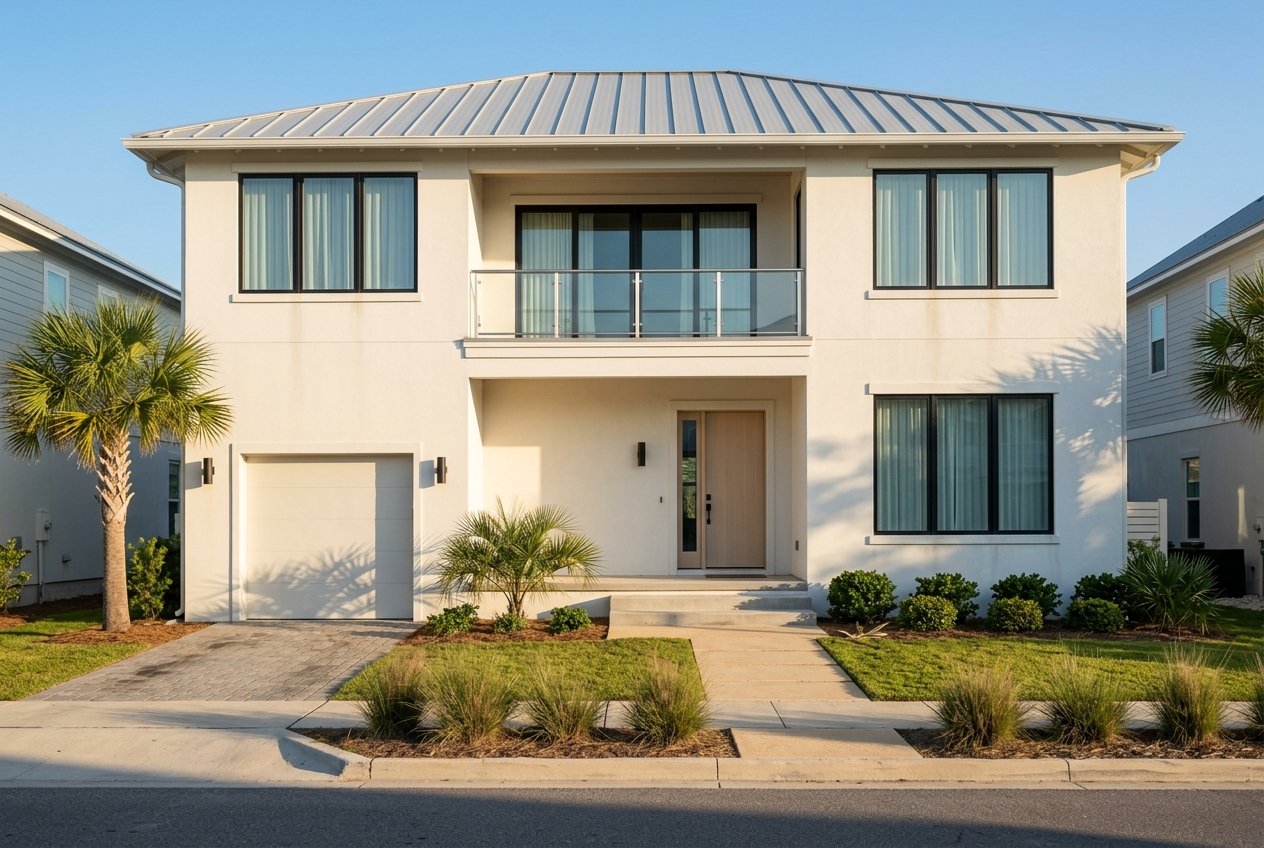
The housing mix in Jacksonville Beach is different from many inland parts of Jacksonville. City planning materials describe the residential land use as 56% single-family and 40% multifamily, with high-rise condos scattered along the oceanfront. In practical terms, that creates a blend of neighborhood streets, townhome and condo options, and more vertical oceanfront living.
Home prices also reflect the coastal location. According to Redfin’s Jacksonville Beach housing market data, the median sale price in March 2026 was $607,500. The same source shows Jacksonville overall at $300,000 during that period, highlighting the premium attached to beach living.
The research also notes a March 31, 2026 typical home value of $632,971 from Zillow and a median list price of $699,900 from Realtor.com. Taken together, these figures point to a higher-priced coastal submarket where location, limited land area, and housing type all influence value. If you are comparing Jacksonville Beach to inland neighborhoods, this is one of the biggest differences to keep in mind.
Who Jacksonville Beach May Fit Best
Jacksonville Beach can be a strong fit if you want a lifestyle that blends daily convenience with coastal access. You may appreciate it if you want to start the day outdoors, stay connected to Jacksonville by car or transit, and live in a community that feels active year-round rather than purely seasonal.
It can also appeal to buyers who are open to different housing formats. Some people are looking for a single-family home close to the water, while others prefer a condo or townhouse with less exterior maintenance. Because the city is compact and the housing stock is varied, your best fit often comes down to budget, commute needs, and how close you want to be to the beach corridor.
What to Consider Before You Move
Before buying in Jacksonville Beach, it helps to think beyond the view. Ask yourself how you feel about busier weekends, seasonal parking patterns, and bridge-based travel. These are not drawbacks for everyone, but they are part of the real daily experience.
It is also smart to think about your preferred routine. If beach access, walkability to everyday stops, and a compact coastal setting matter more to you than a lower price point inland, Jacksonville Beach may feel like a natural fit. If you want more space for the money, comparing it with other Northeast Florida communities can give you helpful perspective.
If you are weighing Jacksonville Beach against other coastal or inland neighborhoods, working with a local agent can help you compare housing options, timing, and market expectations clearly. If you want practical guidance on buying, selling, or exploring your options in Northeast Florida, Martin Williams can help you move forward with steady, local insight.
FAQs
What is everyday life like in Jacksonville Beach, Florida?
- Everyday life in Jacksonville Beach often includes easy beach access, morning coffee stops, manageable commuting routes, and busier weekends driven by visitors, events, and seasonal activity.
How expensive is housing in Jacksonville Beach compared with Jacksonville?
- Jacksonville Beach is generally a higher-priced coastal market, with Redfin reporting a $607,500 median sale price in March 2026 compared with $300,000 for Jacksonville overall.
Is Jacksonville Beach a year-round community or a seasonal beach town?
- Jacksonville Beach appears to function as a year-round residential community, supported by 68.8% owner-occupied housing and 85.0% of residents living in the same home one year ago according to Census QuickFacts.
What is the commute like from Jacksonville Beach?
- Jacksonville Beach has a reported 23.7-minute mean commute time, and most daily travel flows through Beach Boulevard, Atlantic Boulevard, JTB, and A1A, with JTA transit also serving the area.
Are there different housing types in Jacksonville Beach, Florida?
- Yes. City planning materials describe Jacksonville Beach as a mix of single-family and multifamily residential use, including oceanfront high-rise condos and other attached housing options.
Are there rules for using the beach in Jacksonville Beach?
- Yes. The city requires people to use beach access points and dune crossovers, prohibits beach driving, and sets seasonal time restrictions for dogs from April through September.